
The importance of the primer before self-leveling construction

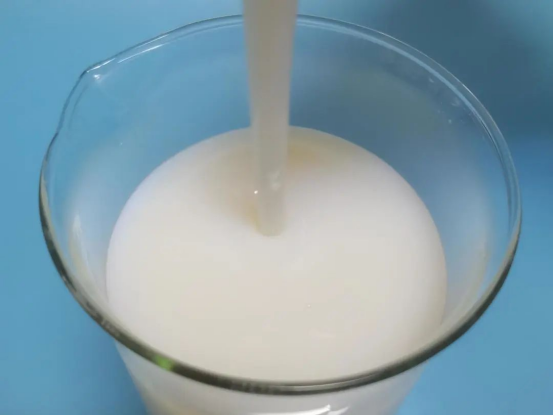
The primer improves the adhesion of the self-leveling compound
The self-leveling primer is part of the ground base treatment and is an essential item in the self-leveling construction. It is very important and directly affects the adhesion between the self-leveling compound and the base ground.
The amount of primer used is actually relatively small, and it is only applied in a thin layer, but it plays an important role. It can provide a suitable construction environment for the self-leveling floor, and if primer is not applied, it is easy for the floor to delaminate due to the formation of layers.
Primer reduces the water absorption of the substrate
The substrate generally has a high water absorption capacity. If primer is not used, during construction, the water in the self-leveling floor screed will be quickly absorbed by the substrate, reducing the fluidity and making it difficult to level.
In addition, if a primer is not used, the self-leveling mortar is at risk of hollowing and cracking later. Therefore, a primer is still necessary.
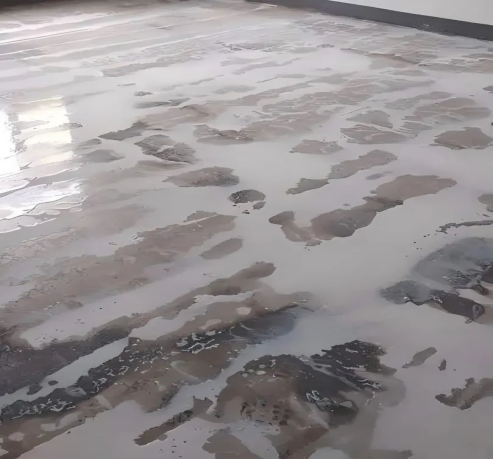
Primers can bond dust
Primers are currently divided into two types on the market: water-based and powder. Both are used on concrete or mortar surfaces to give the self-leveling a good bond, reduce the absorbency of the base layer and bond dust.
Without a primer, the self-leveling compound cannot work properly. The primer is used as a base coat for the self-leveling compound to reduce the porosity. If the porosity is too high, it will absorb the water in the self-leveling compound, causing premature drying and low strength.
It also adheres to residual dust, improves the strength of the base layer, improves the surface finish of the self-leveling compound, greatly reduces surface defects such as pinholes, and improves the adhesion between the self-leveling compound and the base layer.
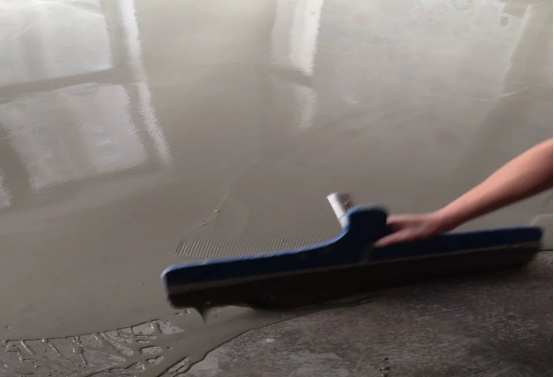
Summary of the functions of the primer
1. Increases the bond strength between the self-leveling floor and the substrate
2. Binds dust and seals pores
3. Prevents water from penetrating the substrate before the self-leveling floor sets, which would cause incomplete hydration of the self-leveling floor
4. Prevents rising moisture from the substrate from causing surface pores
5. Increases the flowability of the self-leveling floor