
Do you know the role of cellulose ether in cement mortar?

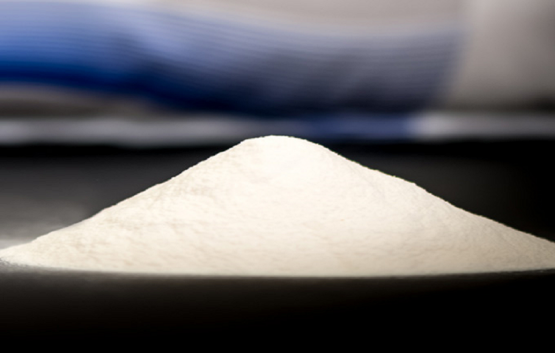
During construction, mortar often loses water too quickly, and does not have enough time and moisture to undergo a hydration reaction, resulting in insufficient strength and cracking in the hardened cement slurry. Cellulose ether is a common polymer admixture in dry-mix mortar. It has the functions of water retention, thickening, retardation and air entrainment, and can significantly improve the performance of mortar.
In order to make the mortar meet the requirements for transportation and to solve problems such as cracking and low bond strength, it is important to add cellulose ether to the mortar. Cellulose ether is made by etherifying cellulose with one or more etherifying agents and then drying and grinding it.
Classification of cellulose ether
Cellulose ethers can be divided into anionic, cationic and nonionic types according to the chemical structure of the ether substituent. The main ionic cellulose ether is carboxymethyl cellulose ether (CMC); the main nonionic cellulose ethers are methyl cellulose ether (MC), hydroxypropyl methyl cellulose ether (HPMC) and hydroxyethyl cellulose ether (HC). Non-ionic ethers are further divided into water-soluble and oil-soluble ethers. Non-ionic water-soluble ethers are mainly used in mortar products. Ionic cellulose ethers are unstable in the presence of calcium ions, so they are rarely used in dry-mix mortar products with cement, hydrated lime, etc. as the binding material. However, non-ionic water-soluble cellulose ethers are widely used in the building materials industry because of their suspension stability and water retention.
Depending on the etherification agent used in the etherification process, cellulose ether products include methyl cellulose, hydroxyethyl cellulose, hydroxyethyl methyl cellulose, cyanoethyl cellulose, carboxymethyl cellulose, ethyl cellulose, benzyl cellulose, carboxymethyl hydroxyethyl cellulose, hydroxypropyl methyl cellulose, benzyl cyanoethyl cellulose and phenyl cellulose.
Cellulose ethers used in mortars generally include methyl cellulose ether (MC), hydroxypropyl methyl cellulose (HPMC), hydroxyethyl methyl cellulose ether (HEMC) and hydroxyethyl cellulose ether (HEMC), among which HPMC and HEMC are the most widely used.
Chemical properties of cellulose ethers
Each cellulose ether has the basic structure of cellulose – a dehydrated glucose structure. In the production of cellulose ethers, cellulose fibres are first heated in an alkaline solution, then treated with an etherifying agent. The fibrous reaction products are purified and ground to form a uniform powder of a certain fineness.
In the production of MC, only methyl chloride is used as the etherifying agent; in the production of HPMC, in addition to methyl chloride, epichlorohydrin is also used to obtain hydroxypropyl substituents. Various cellulose ethers have different methyl and hydroxypropyl substitution rates, which affect the properties of the cellulose ether solution, such as organic compatibility and gelation temperature.
The number of substituents on the dehydrated glucose structural units of cellulose can be expressed as a percentage by mass or as the average number of substituents (i.e. degree of substitution DS). The number of substituents determines the properties of the cellulose ether product. The effect of average degree of substitution on the solubility of the etherification product is as follows:
(1) low degree of substitution etherification products are easily soluble in alkali solutions;
(2) slightly higher degrees of substitution are soluble in water;
(3) higher degrees of substitution are soluble in polar organic solvents;
(4) even higher degrees of substitution are soluble in non-polar organic solvents.
Solubility properties of cellulose ethers
The solubility of cellulose ethers has a significant effect on the workability of cement mortar. Cellulose ethers can be used to improve the cohesiveness and water retention of cement mortar, but this depends on the complete and thorough dissolution of the cellulose ether in water. Factors that affect the dissolution of cellulose ethers include the dissolution time, stirring speed and powder fineness.
The role of cellulose ethers in cement mortar
Cellulose ethers are an important additive to cement mortar, and their role is reflected in the following aspects.
(1) Improves workability and consistency of mortar.
The incorporation of cellulose ethers prevents segregation of the mortar and results in a homogeneous plastic mass. For example, the incorporation of HEMC and HPMC facilitates the laying of thin-bed mortar and plastering mortar. The thickening effect of cellulose ethers mainly depends on: degree of polymerisation, shear rate, temperature, concentration of cellulose ether and concentration of dissolved salt, etc.
(2) It has an air-entraining effect.
The introduction of alkyl groups into the cellulose ether reduces the surface energy of the cellulose ether aqueous solution, making it easy to introduce stable, uniform, fine bubbles into the mortar mixed with cellulose ether during the mixing process. The introduction of bubbles not only has a ‘ball effect’ that improves the workability of the mortar, but also reduces the wet density of the mortar and helps reduce the thermal conductivity of the mortar. However, it should be noted that an increase in the air content will also have a significant negative impact on the compressive, flexural and bond strengths of the mortar. Tests have shown that when the dosage of HEMC and HPMC is 0.5%, the mortar has the highest air content, which is about 55%. When the dosage is greater than 0.5%, the air content of the mortar tends to decrease with an increase in the dosage.
(3) Retaining moisture loss.
Moisture in the mortar can play a lubricating and mixing role, facilitating the trowelling of thin layer mortars and plastering mortars. The incorporation of cellulose ether helps to reduce moisture loss in thin layer mortars. During construction, wall tiles, blocks, etc. do not need to be wetted in advance, and the cementitious material can continue to hydrate for a long enough time after construction to improve the adhesion of the mortar to the substrate.